
GLASSES MATERIALS: WHAT HAPPENS BEHIND EACH FRAME?
Choose what you need…
Eyeglass frames are made from a variety of materials, and each of them plays a very important role in both the functionality and the aesthetic appearance of the wearer.
These materials have unique characteristics that directly affect the comfort, durability, durability and overall aesthetic appearance of the glasses.
By understanding more about the different materials, you will know more clearly what you are looking for and what suits you best, according to your face shape, your specific needs or your personal style.
From classic materials like acetate, metal or injected plastic, to more innovative ones like carbon fiber or graphene, the selection of eyeglass frame material plays a key role in shaping your overall eyeglass experience.
First, as a client or patient, always go to opticians or clinics that clearly explain the benefits, pros and cons of each material – whether it is suitable for you or not.
This way, you will be sure that you are in the hands of professionals, who will suggest what you really need, and not just what you think you need.
This is because, as we mentioned above, different materials have different characteristics.
For example, recyclable materials can be a very good choice for those who care about the impact on the environment, nature and environmental sustainability. But this does not mean that the same choice is suitable for everyone.
Someone else may simply need to understand what they are paying for – why you are suggesting a certain material and not another. To understand that the value of a product does not lie only in the brand, but also in the composition and real qualities that it offers.
It is also important to understand that all the materials used by EssilorLuxottica are biocompatible – either because they are so from the source, or because they are treated with special layers to become so.
Biocompatibility means that the materials of the eyeglass frames, in contact with human skin, do not cause irritation or allergies, are safe for their intended use and significantly increase the comfort and safety of the client.
Some materials offer a wide range of colors, others stand out for unique motifs, while some are used to create a minimalist and sophisticated look.
Elite materials, on the other hand, are often present in luxury products, for those who seek exclusivity and high quality.
Once you find out below which material suits you best, all you have to do is choose the ideal glasses for you at your favorite optician.
ACETATE
Acetate is no ordinary material – it originates from nature itself. This material is made from natural ingredients, such as cotton and wood, to which plasticisers (softeners) are added to improve physical characteristics and make it easier to process.

Traditional plasticizers come from fossil-based sources, while the plasticizers in bio-based acetate come from plant origin (e.g., from cereals, sugar beets or sugar cane).
There are three types of acetate: regular acetate, bio-based acetate and recycled acetate.
Benefits of Acetate
Acetate is very practical and can be adjusted at any time to perfectly fit the shape of the client’s face, of course using professional tools. It is also extremely durable.
How to recognize Acetate
Being plant-based (wood and cotton), acetate is warm and soft to the touch at its source (therefore it is not recommended to keep it in high-temperature environments, such as inside the dashboard of a car or in warm environments).
An acetate frame is always comfortable, hypoallergenic, scratch-resistant and has a long lifespan.
METAL
When used to create glasses, metal as a material offers a wide range of textures and embellishments, thanks to the variety of treatments and coatings that are applied to this material.
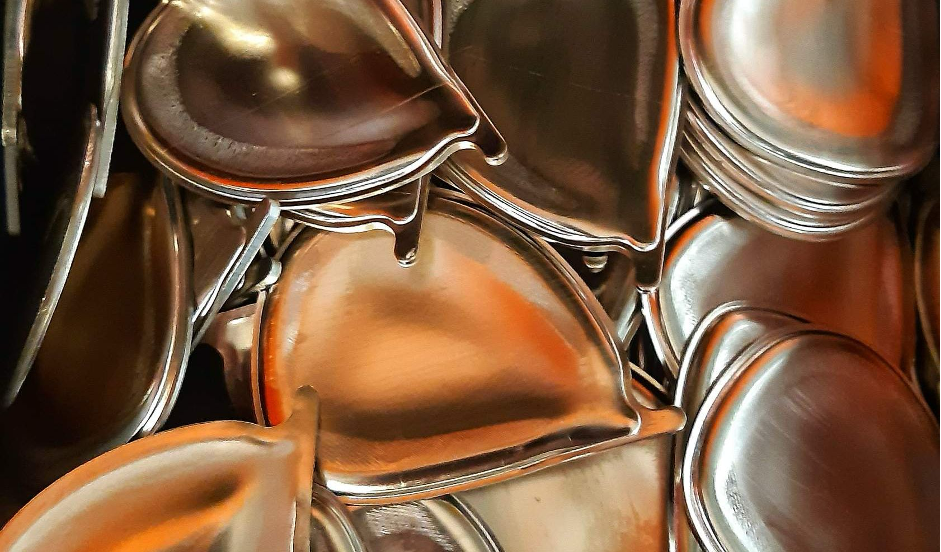
The most common metals used for eyeglass frames are Monel, aluminum, flex titanium, beta titanium, iron, titanium, gold, and platinum.
For the production of eyeglass frames, metal alloys come to the factory in the form of plates, wires, or tubular shapes.
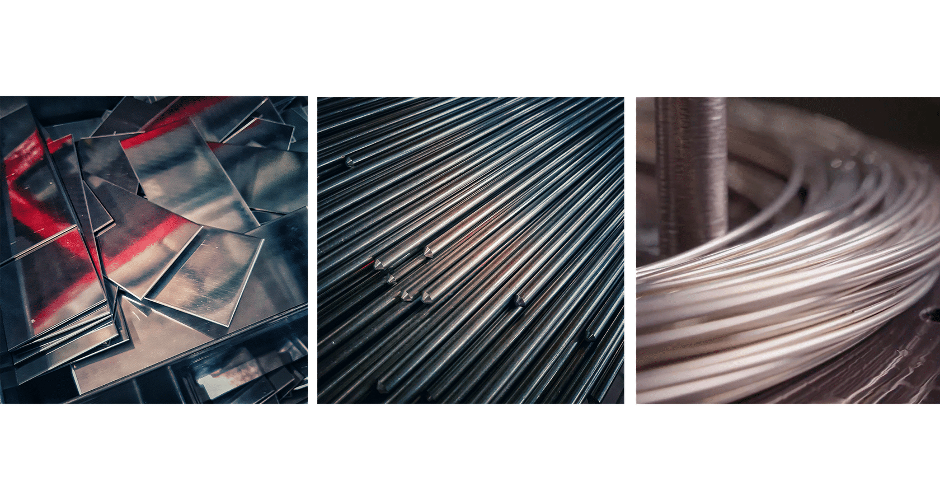
Each shape is designed for a specific process cycle, where materials are transformed into one of the parts of the frame (e.g., tails, tail ends, forehead, or various decorations).
In the case of some alloys, metal glasses undergo various treatments to make them biocompatible, hypoallergenic, and safe for any person who will wear them.
The benefits of a metal frame
Metals, in general, allow for the creation of very light glasses, but also with thin surfaces, making them optimal for thin, delicate and minimalist (discreet) styles.
Another benefit, both aesthetic and functional, of using metal glasses is the great flexibility they have in fit, both in production and in design. This means that the same style of glasses can be easily adjusted to fit different face shapes, by adjusting the height and width of the frame, and thus creating the perfect comfort, regardless of the wearer.
Another benefit of metal glasses is that they have separate nose pads attached to the front, which means they can fit, regardless of whether your nose is wide or narrow.
INJECTED MATERIAL
Injected material frame are composed of granules (particles) formed from a wide range of materials such as nylon, cellulose propionate and PEEK, a material with high technical performance.
Nylon, in particular, is very light, flexible and durable, making it a very comfortable and popular material due to its properties.
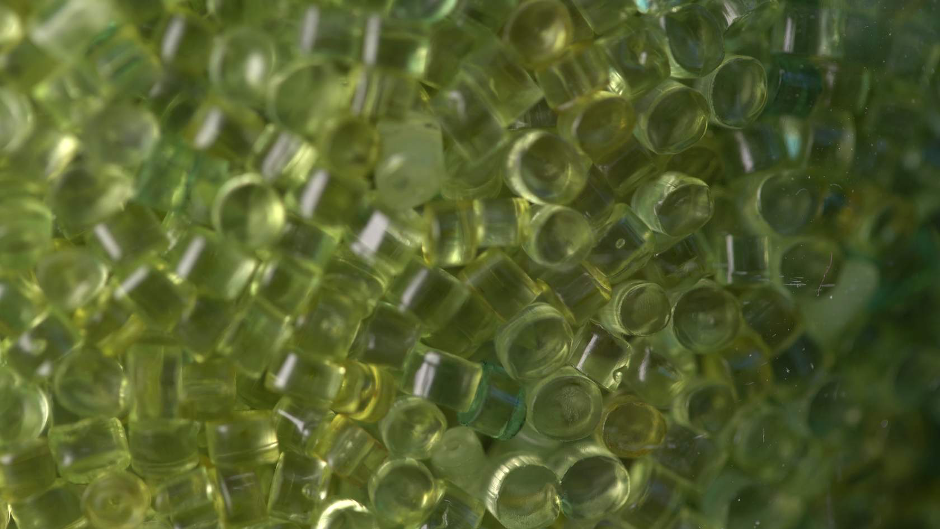
As the evolution of these materials continues, innovative innovations that come from plant-based rather than fossil sources are being developed further, thus improving their performance and sustainability.
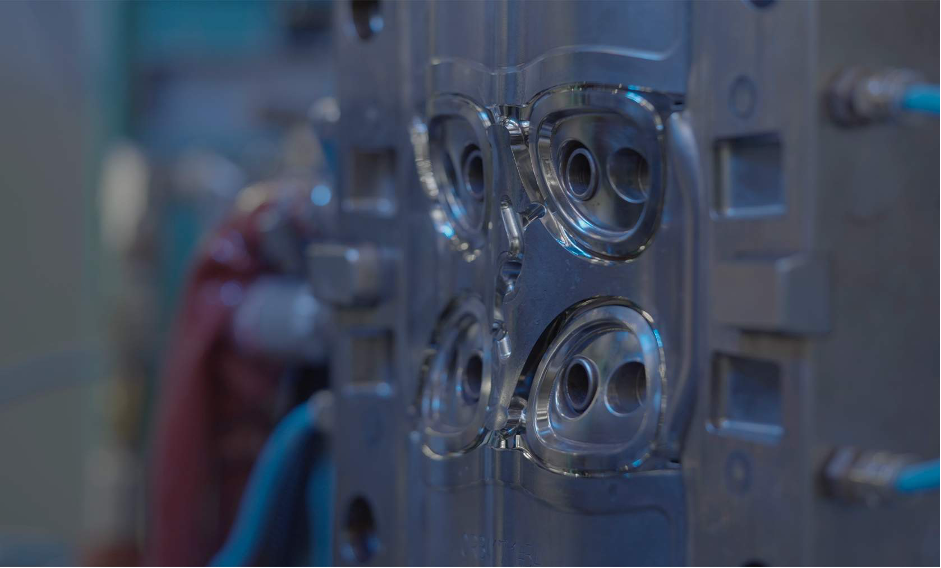
The resulting material is then injected into molds with very high engineering precision. The results are very high quality injected frames, which enable the creation of different and unique shapes, as well as providing quality for eyeglass wearers.
After cooling and exiting the molds, the resulting material is subjected to painting, not only to create an aesthetically beautiful and unique product, but also to make it biocompatible.
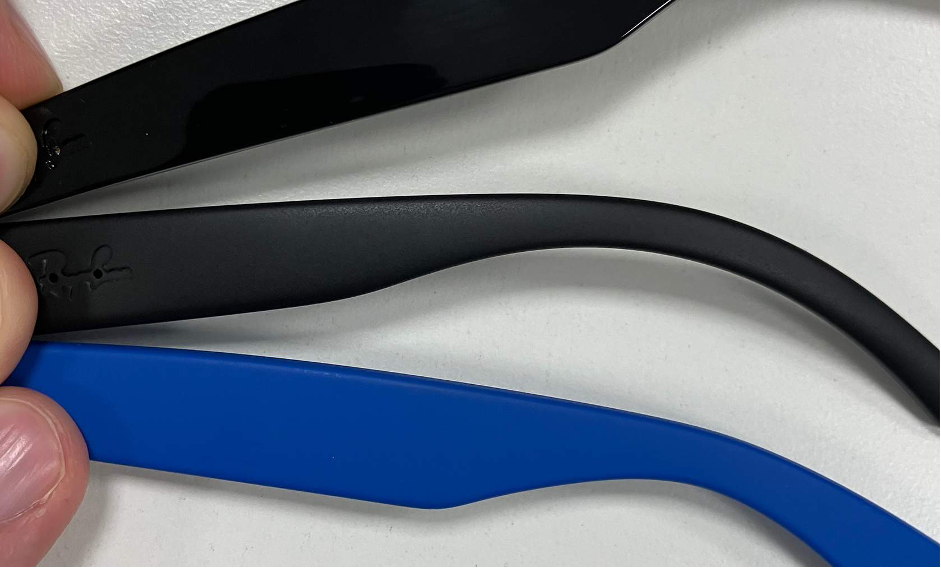
The benefits of an injected frame
One of the qualities of nylon is that it can be molded into any shape, depending on the template that is created, including the aerodynamic models used for sports glasses and many similar products.
Another benefit of nylon is its stability: a nylon eyeglass, although very light and thin, is insensitive to temperatures and has a high resistance to impacts.
Injection technology is perfect for smart eyewear (smart glasses, such as Ray-Ban Meta), as it makes it very easy to place technological devices inside the glasses, while maintaining style and durability at the same time.
SPECIAL MATERIALS
The Research and Development Department at EssilorLuxottica (Research and Development – R&D) is responsible for the research, testing and industrialization of innovative materials, with the aim of creating unique eyewear, but which at the same time ensure high performance, adaptability and strength.
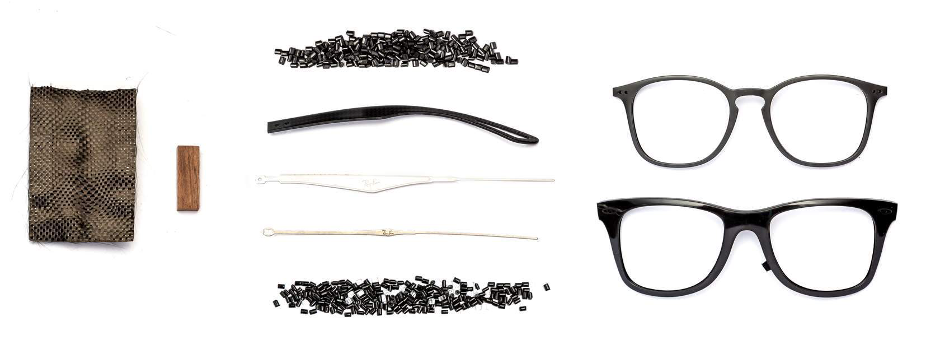
Here are some of the special materials:
CARBON FIBER
Carbon fiber is a technical material, commonly used in the motorsports industry, that has found great development in creating lightweight and extremely strong glasses.
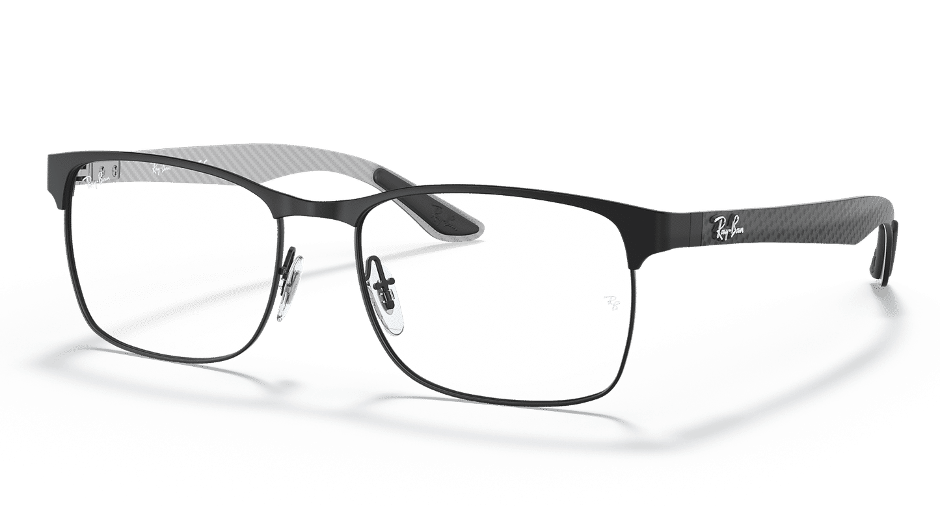
The components of a carbon fiber eyewear are a combination of carbon-based textiles and plastic resins.
The carbon fiber elements make the eyewear stronger, lighter, and more flexible.
Eyewear that is primarily made of carbon fiber evokes the world of motorsport, making this material perfect for use by various brands that produce such styles.
GRAPHENE
Graphene is a pure carbon material, extracted from graphite (the same material used in pencils).
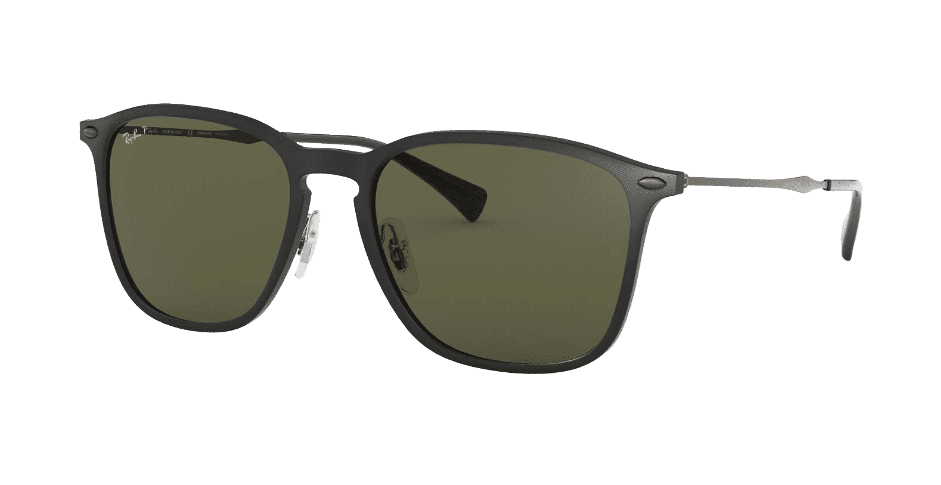
The very special chemical structure, which includes a layer of carbon atoms with dimensions in the nanometric order, makes this material the strongest and lightest in the world.
Today, graphene is one of the most extraordinary materials in the world: it has the strength, stiffness, lightness, as well as thermal and electrical conductivity greater than any other material.
The frame made of this material have both geometric details and very good technical characteristics, making it possible to create models that were not possible before.
HORN
Horn is a natural material, obtained from the horns of animals such as water buffalo.
It is obtained from animals that are not in danger of extinction and after they naturally pass away. This material is very dense and resistant to wear and pressure.
Horn frames are unique due to their structure and natural coloring they have, thus offering a luxurious and organic look.
Like human fingerprints, NO two pairs of horn glasses are the same, making them unique models for eyewear fanatics.
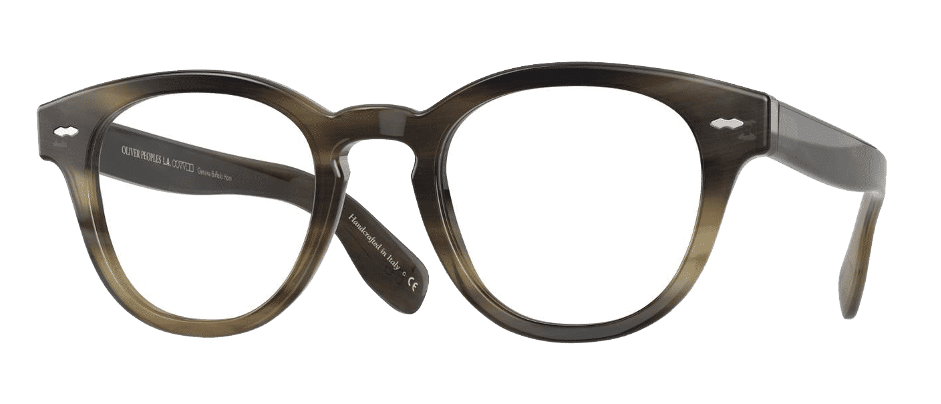
Thanks to the characteristics of this natural material, horn frames also require delicate and special care.
Users of these glasses should pay a little attention to their care, at least every two months.
Benefits of a horn frame
Unique beauty: The colors of horn depend on its origin: black, mottled, brown, yellow or even almost transparent. The horn will retain the signs of its natural origin, but over time it will change color due to use, environmental factors or the aging of the material.
These characteristics can appear as color variations, patterns, distinctive marks, engravings or other irregularities that are often visible in the final product. Thanks to the characteristics of this natural material, it is impossible to create a frame with the same color, pattern or transparency.
Finally, animal horn frames are smooth and warm to the touch, light and elastic for maximum comfort.
LITEFORCE
Liteforce is a plastic material used in spacecraft and the chemical industry, due to its exceptional impact resistance (drops or blows) and its light weight.
Frames made of Liteforce are produced using injection molding and are characterized by very fine geometric patterns.
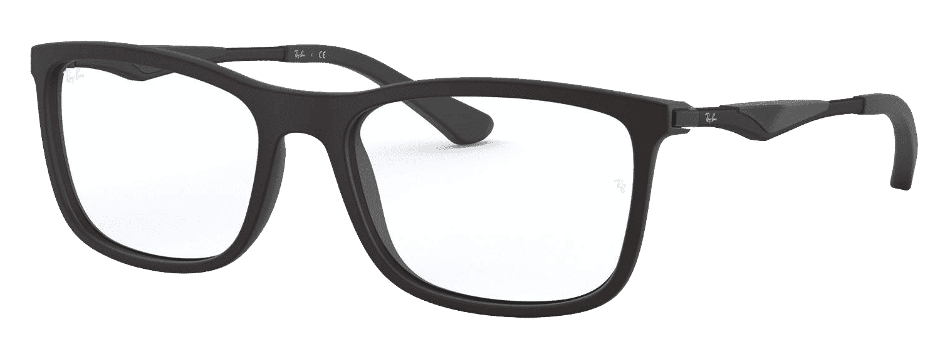
The unusual material is also used because of its resistance to atmospheric conditions, thus ensuring that the frames will have a very long life.
The benefits of Liteforce
Liteforce enables the production of very light elements of glasses and very fine models, but which at the same time are very strong and resistant to shocks.
You may be surprised, but this type of material is also used in the car industry for water pumps, bearings and pistons.
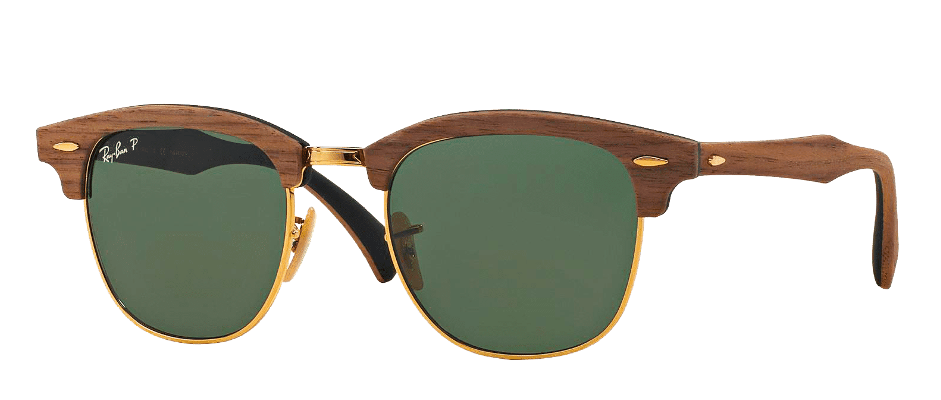
WOOD
Wood is a material from which the glasses are all worked by hand, to obtain smooth surfaces and unique effects on each frame, thus creating a special, unrepeatable frame.
The benefits of wood
Wooden frames are handmade, so they are unique. The processes used to create a collection of wooden glasses allow the result to be as natural and light as possible.
The production of glasses with special materials (such as wood, horn, Liteforce, etc.) requires the combination of handcrafting skills and advanced industrial techniques, to guarantee quality and beauty in each frame.